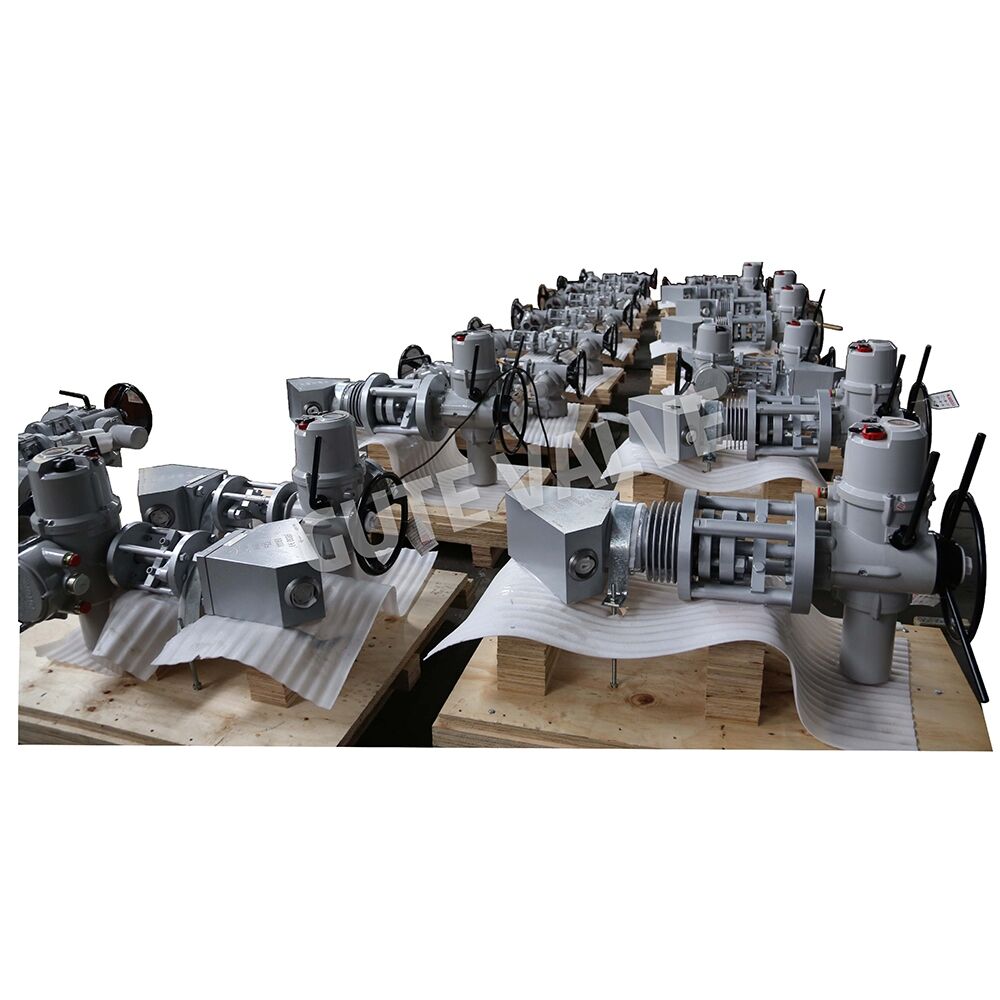
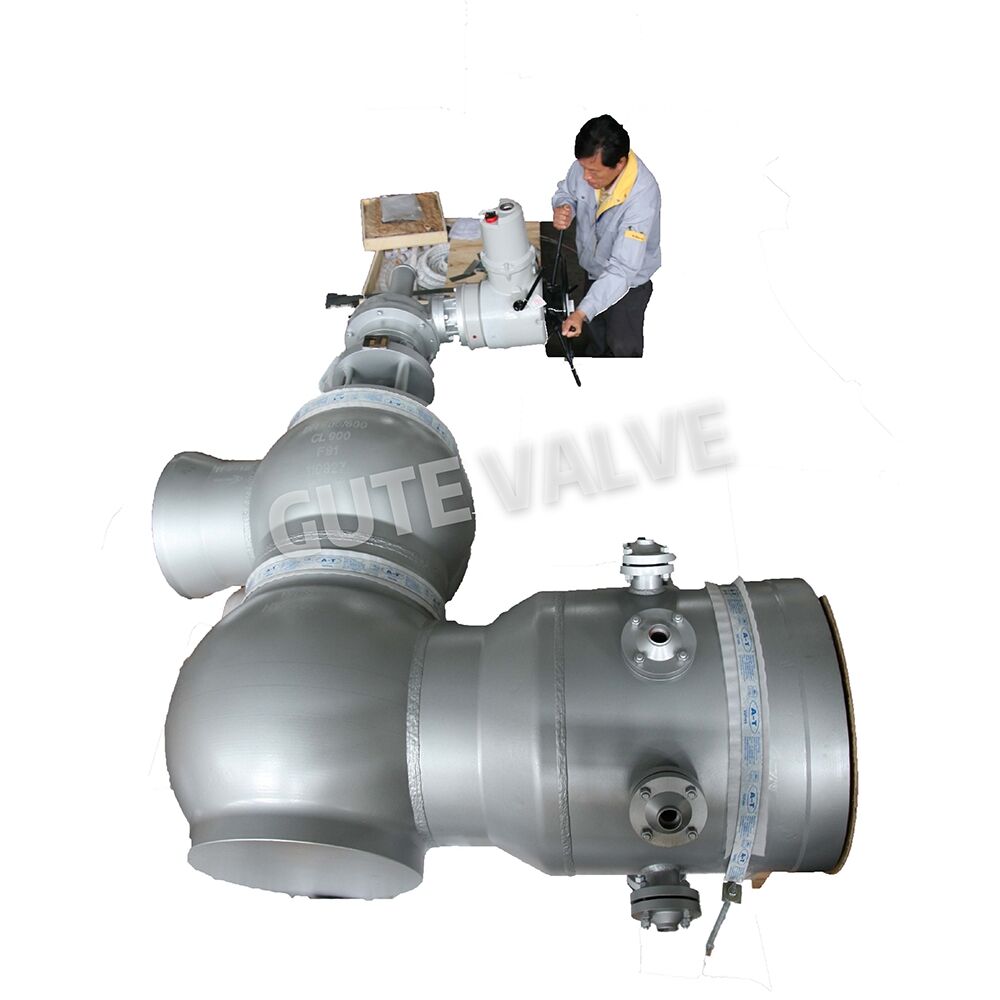
applicable medium:WOG
drive mode:manual/flange for later actuator/actuator
working temperature:normal temperature(-196℃<t<450℃)
material:carbon steel,stainless steel
type of connection:flange
construction:three-eccentric sealing
pressure environment:150-1500LBS
seal form:auto sealed
stem form:normal
manufacture of valve body:casting
sealing material:metal seated
standard:API 609
application:industrial usage
transport package:plywood case
specification:50KG/PC
brand:GUTE
The body type of control valve is a lot of, commonly used through single seat, through double seat, Angle, diaphragm, small flow, tee, eccentric rotation, butterfly, sleeve type, spherical, etc.In the specific selection, the following considerations can be made:
1. It is mainly considered according to the selected flow characteristics, unbalanced forces and other factors.
2. When the fluid medium is a suspension containing a high concentration of wear particles, the internal material of the valve should be hard.
3. As the medium is corrosive, try to choose a simple valve structure.
4. When the medium temperature, pressure and high change, should choose the valve core and valve seat material by temperature, pressure change small valve.
5. Flash and cavitation occur only in liquid media.In the actual production process, flash and cavitation will form vibration and noise, shorten the service life of the valve, so the valve should be selected to prevent flash and cavitation.
1. There are various types of control valves, and their applications are different. Therefore, the type of control valve should be reasonably selected according to the requirements of the production process.
2. Pneumatic control valves are divided into two types: gas opening and gas closing.The gas-open control valve closes in the failure state, and the gas-close control valve opens in the failure state.Some auxiliary equipment can be used to form a protection valve or to make the control valve self-lock, that is, the control valve to maintain the failure before the valve opening.
3. The way of gas opening and gas closing can be achieved through the type of positive and reactive actuator and the combination of positive and anti-body valves. When using the valve positioner, it can also be achieved through the valve positioner.
4. Various control valves have their own characteristics with different structures.